
 By
By Periodontology is a specialized branch of dentistry that centers around the health of your gums and jawbone. As experts in gum health, periodontists are crucial in diagnosing and treating various periodontal diseases, which can escalate into serious oral health issues if ignored. These specialists not only carry out routine procedures like gum disease treatment but also perform complex surgical interventions to restore gum and bone integrity. Understanding the importance of maintaining your periodontal fitness is essential for ensuring a healthy smile throughout your life. With advances in dental care, consulting a periodontist can lead to effective strategies for maintaining optimal oral health and preventing the progression of gum disease.
The field of periodontal medicine, encompassing the study and treatment of gum and jawbone health, is often referred to through various terms, making it essential to understand the nuances of these specialties. An oral health specialist devoted to treating periodontal conditions focuses particularly on the structures supporting teeth, known colloquially as gum disease management. Those engaged in this specialty are not just involved in remedial procedures; they actively promote gum wellness through preventive care and advanced surgical techniques. Terminology such as ‘gum health specialist’ or ‘gum disease practitioner’ may surface in discussions, but the core of their work remains rooted in fighting periodontal disease and enhancing the aesthetics of smiles. Recognizing the pivotal role these experts play in oral health can help motivate individuals to prioritize regular dental visits.
Periodontology: Specialization and Importance
Periodontology is a specialized branch of dentistry focused on the prevention, diagnosis, and treatment of gum-related issues. The specialized professionals in this field, known as periodontists, possess advanced training beyond traditional dental education, enabling them to address complex conditions that affect the gums and supporting structures of teeth. Periodontology plays a crucial role in overall oral health as it directly impacts tooth retention and the prevention of gum diseases. The significance of maintaining healthy gums cannot be overstated, as periodontal disease is one of the leading causes of tooth loss worldwide.
The origin of the term ‘periodontology’ can be traced back to Greek roots, where ‘peri’ means ‘around’ and ‘odont’ refers to ‘tooth.’ This reflects the branch’s focus on the structures surrounding teeth. A healthy periodontium is essential not just for the stability of individual teeth but for the overall function of the dental arch. Ultimately, periodontologists not only treat existing gum ailments but also contribute significantly to preventive care strategies, ensuring long-term oral health.
Frequently Asked Questions
What is a periodontologist and what do they specialize in?
A periodontologist is a dental specialist focused on gum health and periodontal disease, addressing issues related to the gums, jawbone, and supporting structures of the teeth. They perform procedures like gum disease treatment, root planing, and surgical interventions to manage conditions affecting oral health.
When should I see a periodontologist for gum disease treatment?
You should consult a periodontologist if you notice symptoms of gum disease, such as gum recession, persistent bad breath, or swollen gums. Early intervention in periodontal disease is crucial for effective treatment and long-term oral health.
What are the common types of periodontal diseases treated by a periodontologist?
Common types of periodontal diseases include gingivitis, aggressive periodontal disease, chronic periodontal diseases, and those associated with systemic conditions. Each type has specific symptoms and requires tailored gum disease treatment.
What does periodontal care involve during a visit to the periodontist?
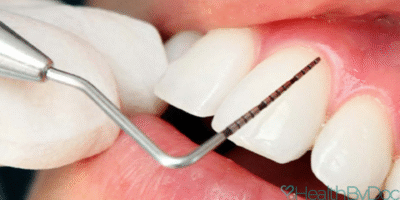
During periodontal care, a periodontologist assesses your gum health by measuring gum pockets around teeth and checking for signs of bone loss. This comprehensive cleaning helps prevent further gum disease.
How does a periodontist treat aggressive periodontal disease?
Treatment for aggressive periodontal disease often requires surgical intervention by a periodontist, including calculus removal and root correction. The goal is to stop disease progression and preserve gum health.
What role do antibiotics play in periodontal disease treatment?
Antibiotics may be prescribed by a periodontologist to fight infections associated with periodontal disease. They are often used alongside surgical treatments or comprehensive cleaning to enhance gum health.
Can periodontal disease impact overall oral health?
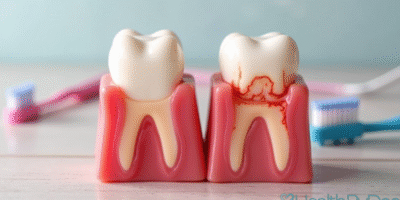
Yes, periodontal disease can severely affect overall oral health by leading to tooth loss, misalignment of teeth, and affecting your jawbone. Regular visits to a periodontist can help manage and prevent these issues.
What procedures might a periodontologist perform to enhance gum health?
A periodontologist may perform various procedures including root planing, gum grafts for recession, crown lengthening, and gum shaping to correct aesthetic issues. Each procedure aims to restore and maintain optimal gum health.
How does the training of a periodontist differ from that of a general dentist?
Periodontists complete additional specialized training after dental school focused on gum diseases and treatments. This training enables them to provide more comprehensive care for gum health compared to general dentists.
What are the signs that indicate the need for gum graft surgery from a periodontist?
Signs that may necessitate gum graft surgery include receding gums, increased sensitivity in teeth, and visible roots of teeth. A periodontist can assess whether grafting is required to protect gum health.
| Key Point | Description |
|---|---|
| Definition of Periodontology | Periodontology is the dental specialty focused on the health of the gums and jawbone. |
| Role of Periodontologist | Periodontologists specialize in treating gum-related issues, including performing surgeries when necessary. |
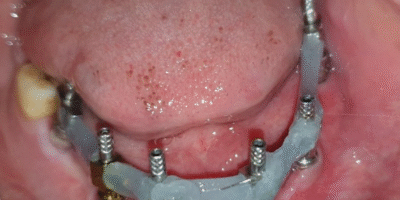
| Common Procedures | Includes root planing, gum pocket surgery, bone grafts, crown lengthening, and gum grafting. |
| Understanding Periodontal Diseases | Diseases affecting the gums and surrounding tissues, leading to conditions like gum recession and tooth loss. |
| Types of Periodontal Diseases | Includes gingivitis, aggressive periodontal disease, chronic periodontal disease, and those associated with systemic health issues. |
| Treatment Approaches | Treatment consists of comprehensive cleaning, antibiotic treatment, and potentially surgical intervention. |
Summary
Periodontology is essential for maintaining gum health and preventing periodontal diseases, which can have serious implications for overall dental health. By seeking the expertise of a periodontologist, individuals can address gum issues effectively and maintain their oral health. Understanding the role of these specialists and the various treatments available is vital for anyone looking to preserve their gum health and prevent tooth loss.







Comments